

Pensamientos y reflexiones

When to Stop and When to Persist in Prayer Ministry
You want to be effective in prayer ministry for others, but you're unsure when God is calling you to continue and when He's directing you to stop. This uncertainty can leave you feeling discouraged, wondering if you're missing out on something, or worried that you might be forcing outcomes rather than following the Holy Spirit's leading.

How to Keep Prayer Ministry Focused and Effective: A Practical Guide
Effective prayer ministry balances compassionate listening with focused prayer by keeping interviews brief, asking clear questions, and praying concisely while remaining open to the Holy Spirit's leading. The goal is to prioritize prayer over conversation while ensuring people feel genuinely cared for during the prayer ministry.

From Monologue to Conversation: How to Hear God's Voice in Prayer
We want to hear God clearly, not just to pray at Him, but we want to experience genuine two-way communication with the Holy Spirit. We are seeking the kind of conversational prayer where Jesus becomes the friend we learned about in Sunday School. Yet when we pray, it too often feels like speaking into a void, and we wonder if God really wants to communicate with us at all.

Trading Overwhelm for Confidence: Your Path to More Effective Prayer Ministry
You want to minister to others through prayer, but something holds you back. Maybe it's the fear of not knowing what to say, the uncertainty about whether God will move, or the intimidation of stepping into someone else's pain when you're not sure you have the answers. You're not alone, almost everyone who engages in meaningful prayer ministry faces similar doubts.

The Five-Step Prayer Model: An Example in Action
Have you ever stood in front of someone who wants healing and felt uncertain about what to do next? I have. And I know how paralyzing that moment can be.

Post-Prayer Direction: Pointed Others Towards Continued Growth
After praying for someone, what happens next often determines whether prayer ministry becomes a step in the discipleship journey or just a passing encounter. Post-prayer direction provides clear instruction and encouragement that moves people from a single prayer experience into ongoing spiritual growth and healing. This crucial follow-up step ensures that prayer ministry serves as part of a person's journey toward God rather than an isolated event.
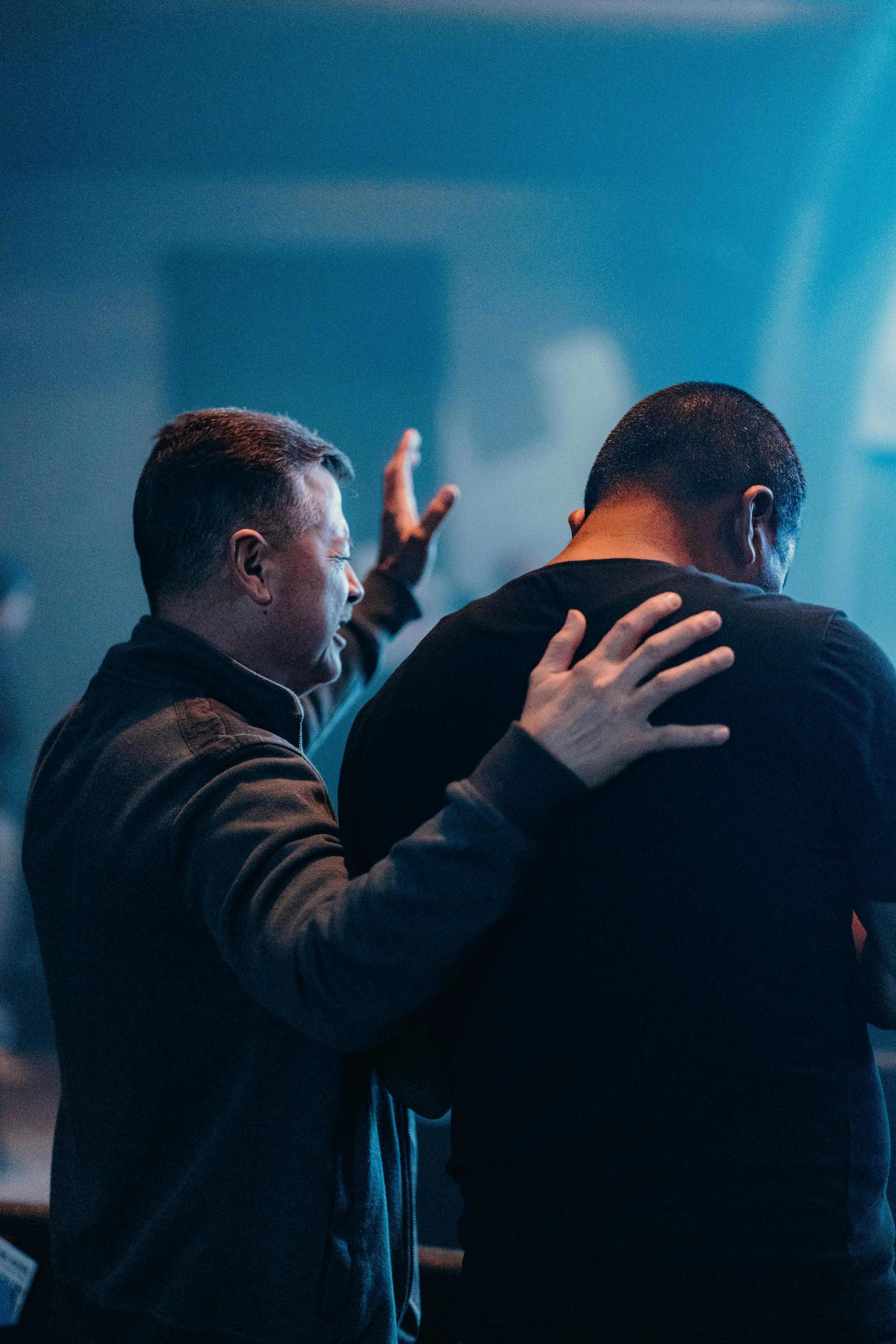
Feedback During Prayer Ministry: Making Breakthroughs
You're praying for someone, and you sense God moving—but you're not sure what's happening. Should you continue? Ask more questions? Pray differently? Without a clear feedback process, even powerful prayer moments can fall short of the breakthrough God intends.

Prayer Engagement: Knowing How to Pray
You want to pray effectively for people who need God's touch, but you're uncertain about how to begin, what to say, or whether you're doing it right. Prayer ministry engagement is the critical moment where prayer, compassion, and the Holy Spirit's power converge to bring healing and transformation. Whether you're praying for physical healing, emotional restoration, or spiritual breakthrough, understanding how to effectively engage during prayer ministry can build your confidence and increase your effectiveness in representing Christ's love.

Mastering Discernment in Prayer Ministry: How to Listen Well to God and Others
You want to pray effectively for others, but you're uncertain how to move beyond surface-level requests to address the real issues at play. Without the skill of discernment in prayer ministry, you risk missing what the Holy Spirit is revealing or praying in ways that don't align with God's work in that moment. The good news is that discernment can be learned and developed through practice, creating confidence to pray responsibly for those seeking help. What is discernment in prayer ministry? Discernment combines attentive listening to the person receiving prayer and the prompts of the Holy Spirit to understand how to align our prayers with God’s purposes.

How the Interview Unlocks Confident Prayer Ministry
Many believers feel uncertain when someone asks them to pray for a specific need. They want to help, but wonder if they're qualified, worry about saying the wrong thing, or feel overwhelmed by the complexity of the person's situation. This uncertainty keeps many Christians from stepping into the prayer ministry role God has for them.

The Five-Step Prayer Model: Understanding Confident Healing Ministry
For those called to pray for others, uncertainty can be paralyzing. You want to minister effectively to people who come for prayer, but without clear direction, you may feel inadequate or afraid of doing more harm than good.

Cambiar lo quebrantado por la integridad a través del Espíritu Santo
Cuando la vergüenza, el miedo y la ira dominan nuestro paisaje interior, nos encontramos atrapados en una niebla que oscurece la obra del Espíritu Santo en nuestras vidas. A continuación se ofrece una oración llamada «Oración de intercambio». Ofrece un camino transformador desde la oscuridad hacia la libertad y la plenitud que Dios desea para cada creyente.

De la duda a la asociación sagrada: cómo Dios utiliza tu quebrantamiento en el ministerio de la oración
Las heridas y las dudas no son impedimentos para el ministerio de la oración, sino que a menudo son el camino a través del cual Dios nos enseña a colaborar con Él en la sanación. El camino desde la duda personal hasta el ministerio empoderado por el Espíritu requiere comprender que el punto de referencia en la oración no somos nosotros mismos, sino el Espíritu de Dios obrando a través de nosotros.

Cuando las heridas ocultas bloquean tus oraciones: comprender la culpa, la vergüenza y el miedo
¿Sientes barreras invisibles entre tú y Dios cuando oras? Muchos creyentes luchan con heridas emocionales que limitan su avance en la oración y su intimidad con el Espíritu Santo. La buena noticia es que estas barreras —la culpa, la vergüenza y el miedo— no tienen por qué ser obstáculos. Son invitaciones a una sanación más profunda.

Liberarse: cómo la sanación interior te prepara para un ministerio de oración saludable
¿Alguna vez te has sentido agobiado por algo de tu pasado —una herida, una duda o una lucha persistente— que parece impedirte dedicarte plenamente al ministerio de la oración? No estás solo. Las investigaciones demuestran que muchas personas experimentan barreras espirituales que obstaculizan su eficacia en la oración, pero estos obstáculos a menudo no se abordan durante años, incluso décadas.

Por qué quiero compartir un camino hacia un ministerio de oración saludable
Usted ha visto un ministerio poderoso. Ha sido testigo de palabras proféticas que se han hecho realidad, ha visto a personas sanadas y ha visto a Dios actuar de maneras extraordinarias. Pero entonces sucede lo impensable: un líder espiritual de confianza cae en un fracaso moral. La disonancia cognitiva es abrumadora, ¿cómo puede alguien usado tan poderosamente por Dios ser atrapado en un pecado flagrante?

Accediendo a los Dones de la Palabra en el Ministerio de Oración: Una base bíblica
Hechos 2 nos da una idea de cómo los apóstoles y la iglesia primitiva esperaban que el Espíritu Santo hablara a través de cada creyente como uno de los cumplimientos del nuevo pacto. La explicación de Pedro llevaba implícita la inmediatez de la comunicación directa con el Espíritu Santo. Esto significa que los dones de palabra no están reservados a unos pocos elegidos, sino que son accesibles a todos los creyentes que buscan ministrar en el poder del Espíritu.

Los dones de la palabra en la Iglesia primitiva: Lecciones de la historia de la conversión de Pablo
Hay otra situación expresada en Hechos 9:1-19 que utiliza los dones de palabras y tiene que ver con la historia de la conversión de Saulo/Pablo. Fue cegado en el camino, oyó la voz de Cristo y entró en la ciudad. Después de unos días, el Señor le habló a Ananías para que fuera a ver a Pablo, le impusiera las manos y sanara su vista. El Señor utilizó una visión para incitar a Ananías a ir a ver a Pablo.

Jesús y las Palabras de Conocimiento: Ejemplos bíblicos para el ministerio de la oración
Una característica del ministerio de Jesús fueron las percepciones y conocimientos sobrenaturales que formaron parte de su ministerio. Estas percepciones eran parte normal de su vida y parecían entenderse como una manifestación divina. La gente a veces se quedaba atónita, sorprendida o incluso confundida por lo que experimentaba en los momentos compartidos con Jesús, pero eso no disminuía el impacto creado por sus intuiciones y conocimientos.

Cómo explicó Pedro Pentecostés: Ministerio profético para todos los creyentes
Pentecostés era una importante fiesta judía también llamada Fiesta de las Semanas en el Pentateuco. En tiempos del Nuevo Testamento, esta fiesta judía se conocía por su nombre griego de Pentecostés. La fiesta tenía lugar 50 días después de la Pascua (Pascua) y Pentecostés significa literalmente 50 días. En la tradición judía, Pentecostés era la fecha tradicional en la que Dios visitó a los israelitas con el pacto de la Ley en el monte Sinaí tras su liberación de Egipto.